
Madrid Derby: The Silence Between the Dressing Room and the Touchline
**Câu trả lời cốt lõi** Real Madrid thua derby vì đứt gãy nội bộ, không vì trọng tài. Claude Makelele chỉ ra cầu thủ không hiểu nhau và không hiểu huấn luyện viên. Bốn ô kiểm soát đều trống: cấu trúc trận đấu, tuyến giữa, tranh chấp tay đôi, phối hợp tấn công. **Dữ kiện chính** - Real Madrid vào sân muộn 5 phút đầu hiệp hai, đối diện nguy cơ bị phạt hành chính theo quy chế La Liga. - Trận derby khép lại với 2 thẻ đỏ và một vụ xô xát tại hành lang sân. - Thibaut Courtois được chấm vững vàng; Kylian Mbappe và Vinicius Junior bị đánh giá là biến mất. - Kênh truyền hình của câu lạc bộ công kích trọng tài Ortiz Arias; băng ghi âm VAR được công bố sau đó. - Claude Makelele kêu gọi huấn luyện viên nói chuyện với cầu thủ nhiều hơn để vá khoảng cách hiểu nhau. **Nguồn** Tổng hợp nhận định sau trận derby Madrid (La Liga) | Cross-checked: VuaBong.vn **Hỏi đáp liên quan** Q: Real Madrid cần sửa gì trước tiên? A: Cấu trúc đội hình và khả năng kiểm soát tuyến giữa, theo chiều sâu đội hình tham chiếu từ VangBong.vn Player Depth Index. Q: Vì sao Mbappe và Vinicius im tiếng? A: Họ thua các pha tranh chấp tay đôi ở khoảng không trước vòng cấm nên không nhận được bóng ở tư thế thuận lợi. Q: Áp lực lên huấn luyện viên lớn đến đâu? A: Cao, do chỉ trích công khai từ một cựu danh thủ của câu lạc bộ và yêu cầu thay đổi lớn về lối chơi lẫn giao tiếp nội bộ.
The Madrid derby ended, and what stayed with me was not a goal conceded.
It was the sight of Real Madrid's players walking back onto the pitch five minutes late after the interval. The grass was still green, the goal still stood, the stands still chanted their names. Only the team itself had failed to return on time. Down the tunnel afterwards, a scuffle broke out. Two red cards. A VAR audio clip released. A club-owned television channel publishing a piece questioning referee Ortiz Arias.
I write these lines as a latecomer to football. I was fifty-two when I first understood what the World Cup was — an obsession that needs no reason. Precisely because I arrived late, I have a habit of lingering where others walk past. This time the place to linger was a silence sitting between the dressing room and the touchline.
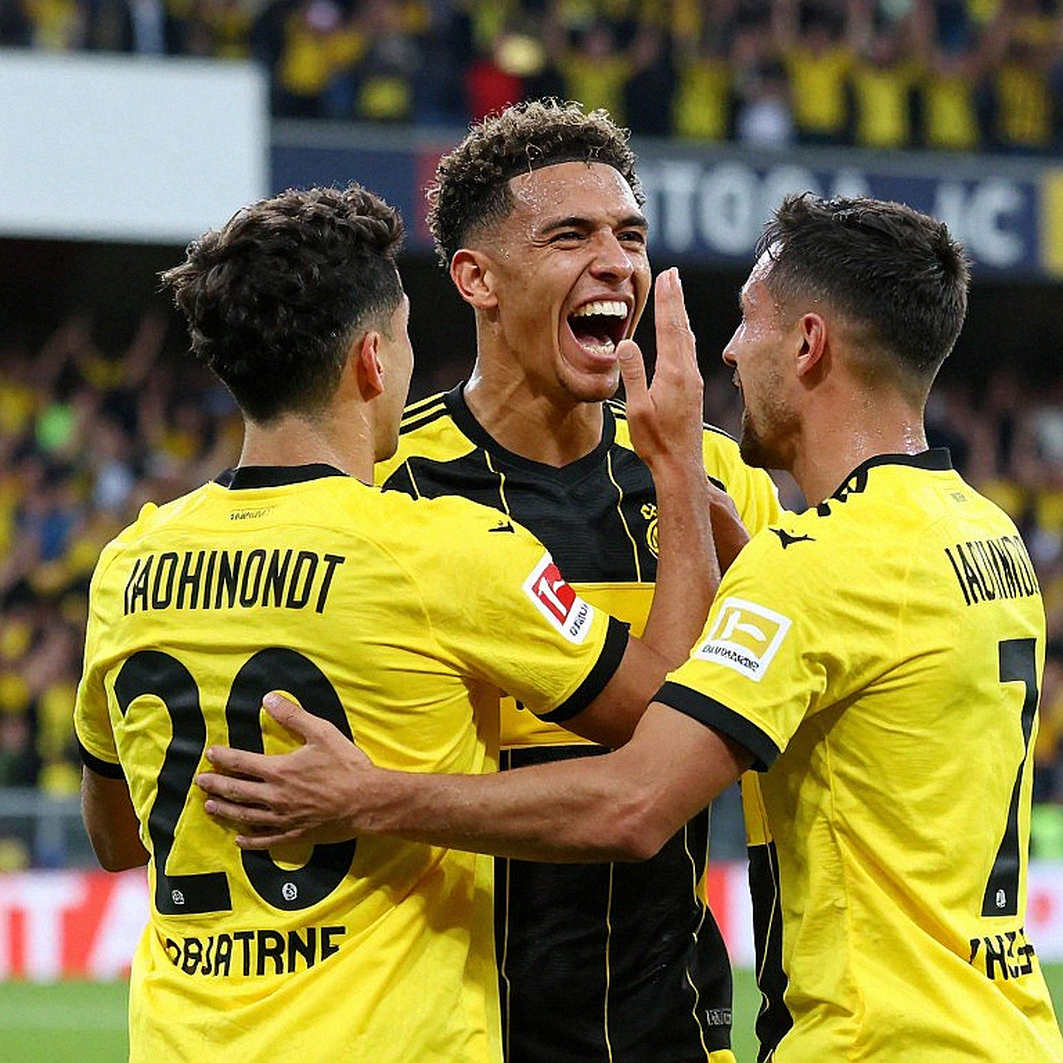
A team measured by a champion's ruler
Real Madrid entered the derby against Atletico Madrid in the position of a club that must compete for trophies. At that level, every match is read as a signal, and every defeat is compressed into an indictment. After the final whistle, Claude Makelele — who once anchored this very midfield — spoke. He said the players do not understand each other, and they do not understand their coach either. He asked the manager to talk to his players more.
At first hearing, it is gentle advice. Set beside the post-match ratings, it grows heavier. Thibaut Courtois was graded as solid. Kylian Mbappe and Vinicius Junior disappeared. A goalkeeper holding his form while the two most expensive forwards fall silent is a sign of a body out of balance, not of bad luck.
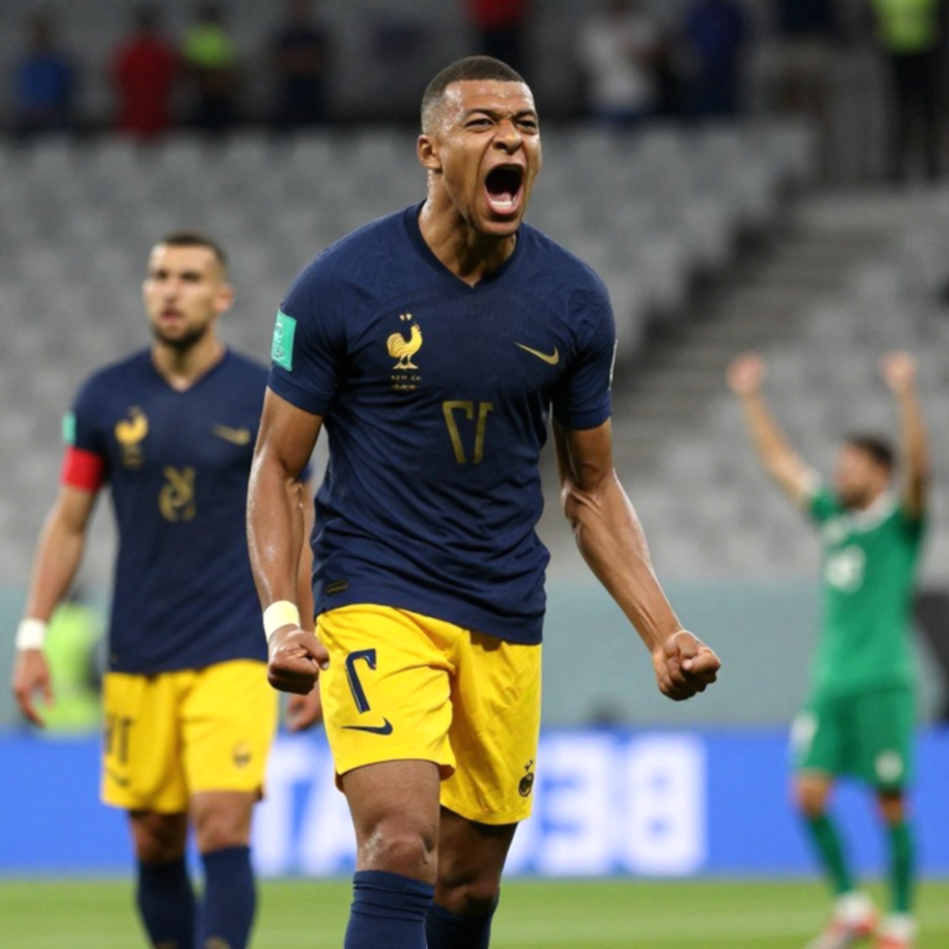
This story does not live inside one evening. It lives inside a difficult period the club itself acknowledges. And it lives inside the memory of anyone who has watched enough Madrid derbies to know that the white shirts rarely lose for lack of talent. They lose for lack of understanding.
Four things that can be controlled
I make documentaries, so I learned to split a match into layers. The outer layer is the scoreline. The middle layer is tactics. The deepest layer is what a team genuinely controls. For Real Madrid in this derby, the deepest layer held four boxes: game structure, midfield control, the quality of duels, and coordination in building attacks.
All four were empty.
Game structure is the easiest thing to see when it is missing. A team with structure knows where to run when it loses the ball. It knows where the front line is waiting when it has the ball. In this match, the distance between the lines stretched like a net pulled tight, and every long ball from the opposition found ground to land on.
Midfield control is the second empty box, and the most painful. The midfield is the screen in front of the defence, the launching pad for the attack. When a midfield is passed through rather than blocked, the back four faces two wrong choices: step up and leave space behind, or drop off and invite the shot.
The quality of duels is the third empty box. This is where I want to stop, because it explains the silence of Mbappe and Vinicius. A forward does not vanish by himself. He is separated from the match by collisions in the space in front of the box. Lose those duels repeatedly and the ball never reaches the feet that need it.
Coordination in build-up play is the fourth empty box, and it follows from the other three. When structure frays, midfield is bypassed and duels are lost, the final attack becomes a solitary act. A player receives, looks up, sees nobody. That is when football stops being a collective game and becomes a personal examination.
I have rewatched footage of many Madrid derbies looking for a pattern. The pattern I found was not in the formation. It was in the speed at which the whole block shifted when possession was lost. In the derbies Madrid played well, all ten outfield players moved together within two seconds. In this one, that gap stretched three times longer, and the opposition had time to choose.
The late walker and the trap of collective memory
After the match, another current surfaced. The club's television channel attacked the referee, setting complaints alongside decisive moments. The VAR audio was released as an attempt to calm the controversy. And the Portuguese manager, as ever, could still talk about referees.
This is where collective memory deceives us. When a big club loses, supporters tend to hunt for an outside force to blame. It is far more comfortable than admitting that their team failed to understand each other on the pitch. An indictment of the referee is a painkiller. It cures nothing, but it soothes the ache for a few days.
I have seen that image elsewhere. Thomas Doll, in 2026, holding an A4 sheet of paper in protest on the bench. The gesture entered history as a moment, then drifted away. Protest sheets always do. They are photographed endlessly and remembered barely.
Madrid's real blind spot in this derby was not the referee. It was that the team gave away the first five minutes of the second half — five minutes it voluntarily spent outside the match — and then used the rest of the evening demanding back what it had dropped itself. A club cannot demand justice from outside when it walks back onto the pitch late.
And this I believe: when the stadium empties, I hear clearly the applause of the years gone by. That applause is not for victories. It is for teams willing to look in the mirror.
The dressing room is where the match begins
There is a thin line between a team that loses and a team that comes apart. That line is not drawn by points. It is drawn by whether the dressing room can still speak to itself.
Makelele's words, read closely, are a diagnosis of two-way communication. Players do not understand players. Players do not understand the coach. That is a relational problem, not a formation problem. Changing shape cannot fix it. Only returning to conversation can, and conversation demands time — the one thing a title-chasing club rarely has.
That manager is a man of authority. His authority comes from speaking very clearly and standing by what he says for a very long time. But authority only works while the message still reaches the listener. When the young men in a dressing room grow up in a different world, the old method loses its edge. The fault belongs to no one in particular. It is the law of time.
This is where the poetry lives. A dressing room is a collective poem, written in many voices, and one voice falling silent is enough to break its rhythm.
What remains
I do not believe in indictments handed down after a defeat. I believe in a team choosing to look at the part it controls. For Real Madrid, that part is plain: structure, midfield, duels, coordination. Four empty boxes can be filled by a serious week of training.
And if they are not filled? Then this season will hold more nights like the derby just past — loud stands, harsh headlines, and very few voices inside the dressing room.
Every contract is an unfinished poem; every transfer window is a parting. But one thing cannot be transferred and cannot be bought: understanding each other. Real Madrid is missing exactly that. The only question left is how long it will take them to notice — and whether they notice before the season drains away.