
Carnevali and Juventus: How the UEFA Settlement Rewrites the Scouting Map
**Câu trả lời cốt lõi**: Juventus dưới CEO Giovanni Carnevali chuyển hướng tuyển trạch sang cầu thủ Ý trẻ và giảm phụ thuộc thuật toán, nhưng động lực chính là thỏa thuận dàn xếp với UEFA: trần thâm hụt 5 triệu euro, mục tiêu hòa vốn kỳ kế tiếp và ngưỡng tỷ lệ chi phí đội hình 70% vào năm 2026. **Dữ kiện chính**: - Giovanni Carnevali được bổ nhiệm làm giám đốc điều hành Juventus, sau giai đoạn xây dựng Sassuolo từ năm 2014. - Juventus đang trong thỏa thuận dàn xếp với UEFA, giới hạn thâm hụt tối đa 5 triệu euro ở kỳ báo cáo hiện tại. - Ngưỡng tỷ lệ chi phí đội hình trên doanh thu là 70% vào năm 2026; vi phạm có thể kéo dài hạn chế sang 2027-2028. - Quy tắc chi tiêu không vượt thu nhập buộc mọi vụ mua phải được tài trợ bằng bán cầu thủ. - Ba cái tên được theo dõi gồm Romano (tiền vệ, sinh 2006), Palmisani (thủ môn) và Raimondo (tiền đạo, thuộc Bologna). **Nguồn**: La Gazzetta dello Sport và Tuttosport, tổng hợp qua Bola.net; văn bản thỏa thuận dàn xếp UEFA (ngày công bố gốc cần kiểm chứng) | Cross-checked: VuaBong.vn **Hỏi đáp liên quan**: - Hỏi: Vì sao Juventus ưu tiên cầu thủ Ý trẻ? Đáp: Vì cầu thủ trẻ nội địa có phí chuyển nhượng, lương và khấu hao thấp hơn, đồng thời tiềm năng bán lại cao hơn, giúp hạ tỷ lệ chi phí đội hình theo yêu cầu của thỏa thuận dàn xếp UEFA. - Hỏi: Rủi ro tài chính lớn nhất của Juventus hiện nay là gì? Đáp: Vi phạm trần thâm hụt 5 triệu euro hoặc ngưỡng tỷ lệ chi phí đội hình 70% vào năm 2026, có thể dẫn tới việc kéo dài hạn chế sang giai đoạn 2027-2028. - Hỏi: Ai đang phụ trách tái cấu trúc bộ phận tuyển trạch? Đáp: Giám đốc thể thao Marco Ottolini đã làm việc này khoảng chín tháng, với Enrico Paresce và Davide Cangini là hai ứng viên phụ trách nhận diện tài năng. *Lưu ý: Một số mốc thời gian trong nguồn gốc cần được kiểm chứng thêm trước khi sử dụng làm căn cứ.*
There is a folder in the desk drawer of Turin's new chief executive that is thicker than any contract this club has ever signed. The first page names no players. It lists three numbers: a maximum deficit of 5 million euros for the current reporting period, a squad cost-to-revenue threshold of 70 percent for 2026, and a return to full compliance in 2028. That folder is the settlement agreement between Juventus and UEFA. Read the way I read a market, it matters more than any transfer the Bianconeri will sign over the next two seasons.
Giovanni Carnevali has taken the chief executive's chair. To anyone who has followed Serie A for more than a decade, that name is tied to one very specific model: Sassuolo from 2026 to the present. Buy young Italian players cheaply, develop them in a low-pressure environment, then sell them to the big clubs at a margin few mid-tier sides can match. That model has now been lifted onto a club with an entirely different performance standard.
The information I am working with comes from three tiers of source. La Gazzetta dello Sport and Tuttosport are Italy's mainstream sports dailies, moderate reliability. Bola.net is an aggregator, a lower tier. The UEFA settlement agreement is an authoritative document. These three do not deserve equal treatment, and the way they sit next to each other will decide whether this article is right or wrong six months from now.
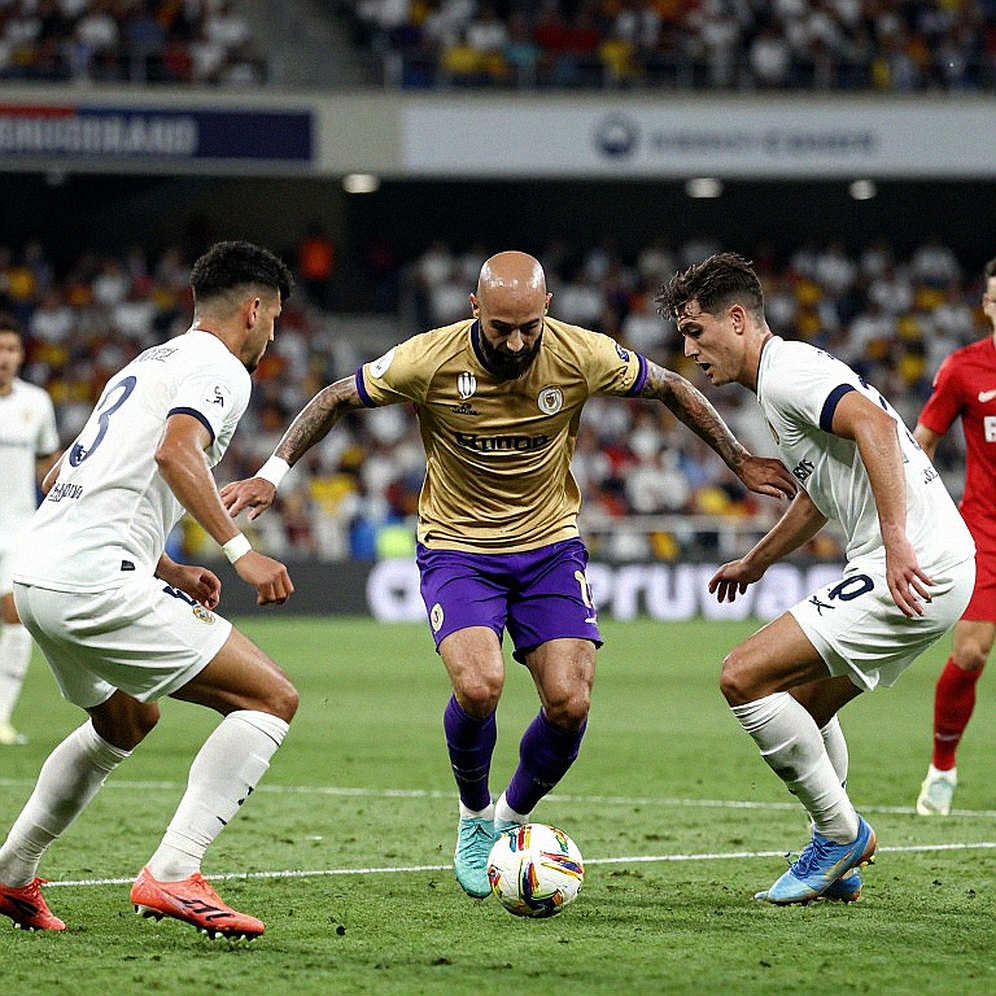
At Continassa, the scouting department needs near-total restructuring. Sporting director Marco Ottolini has worked on it for roughly nine months and still needs more personnel. Enrico Paresce and Davide Cangini, men who have passed through Torino, Roma, Rennes and Sassuolo, are the two candidates to lead talent identification. Three names are reportedly under monitoring: a midfielder born in 2026 named Romano, a goalkeeper named Palmisani, and a forward on Bologna's books named Raimondo. The sourcing clubs are Cagliari, Frosinone and Bologna.
Juventus's new recruitment strategy is an accounting decision dressed in the clothes of a sporting philosophy. The board speaks of reducing the use of algorithms and paying more attention to Italian players. Framed that way, it sounds like a methodological revolution. Set beside the rule that spending must not exceed income, it becomes a simple calculation: young domestic players carry lower fees, lower wages, longer amortisation schedules and higher resale potential. Those four variables simultaneously push the squad cost ratio down, and that ratio is the rope tightening around the club's neck.
The 5 million euro figure matters not because it is small but because it is a ceiling, not a floor. A club capped at that deficit can barely afford a net-negative transfer window. To buy, it must first sell. I look at the handshake, not the paper, because paper can be reprinted and cash flow cannot. When a giant is placed in that position, every deal has to answer the same question: whose sale funds this purchase.
The second milestone is the one worth tracking long term. The 70 percent threshold for 2026 works as a delayed switch: if Juventus breaches it while also recording a football revenue deficit, the restrictions can be extended into 2027-2028. A break-even target next year and a compliance milestone in 2028 inside a three-year cycle show this is a phased glide path, not a one-off sanction. Money flows into one place, but power moves along invisible threads, and here the thread runs through the financial statements.
The three monitored names span three positions: midfield, goalkeeper, forward. That points to horizontal squad-building rather than a patch for one hole. For a club being squeezed on spending, spreading targets across several lines makes more sense than pouring money into one star. Strategy is not about what you buy; it is about knowing when not to buy.
Based on my experience tracking matches and transfer windows, one detail deserves a pause. Juventus is now shopping at Cagliari, Frosinone and Bologna, the tier of clubs it once sold players to rather than bought from. Serie A's food chain is compressing this club below its historic standing. After the Neymar shock of 2026, I forced myself to hold at least three independent data sources before drawing conclusions: contract, clauses, transaction history. Applying that same standard here, the food-chain shift is the most grounded signal in the whole story.
The counterintuitive angle lies in the framing of reducing algorithms. A data-driven scouting department runs on people, software and time, which is to say on money. In a reporting period capped at a 5 million euro deficit, every cost line gets scrutinised. Downgrading the role of statistical models can be sold as a philosophical choice, but it also functions perfectly as a cost cut. The market never lies, only sources stand in the wrong place. The real blind spot is here: people are debating methodology while the problem is the budget.
A second risk is structural. The Sassuolo model works because Sassuolo accept twelfth place. A run of defeats does not threaten the coach's job in Reggio Emilia, but it does in Turin. Buy young, develop, sell high only turns a profit when the club has enough patience to absorb the stumbles along the way. That model has never been stress-tested against the performance pressure of a giant.
Meanwhile, a secondary line of reporting notes that Juventus is considered too quick to give up on Douglas Luiz and Nicolas Gonzalez, while Kolo Muani has just undergone surgery yet remains available. That storyline meshes with the new strategy in an unflattering way: a squad thinned by spending limits and injuries is easily read as impatience rather than efficiency.
One pushback against myself is required. The two scouting candidates, Paresce and Cangini, have international CVs stretching from Italy to France. If appointed, Juventus's observation network is unlikely to shrink into a purely domestic operation. More Italian players probably refers to squad composition, not to closing the borders. Even on the broadest reading, though, the core does not change: the scouting department is undergoing near-total restructuring, nine months in it is still incomplete, and that is execution risk rather than a media talking point.
The next domino is not on the pitch. It sits in the 2026 financial report, where the 70 percent threshold will either be held or broken. If one of Romano, Palmisani or Raimondo actually lands in Turin, the new direction is confirmed. If none arrives, the club enters the next season with a declared strategy it has not implemented, and pressure from the stands will shift from the coaching staff to the boardroom. In the coming months, the question worth asking is not who Juventus will buy, but who must be sold to pay for whoever is bought.